Two opposing official positions have left jai opetaia’s cruiserweight status unclear: the International Boxing Federation withdrew sanctioning of his scheduled defense against Brandon Glanton after concluding it had been misled about the nature of Zuffa Boxing’s championship, even as other parties maintain the IBF belt will be on the line.
What did the IBF withdrawal reveal?
Verified facts: The IBF issued a statement that it withdrew its sanctioning after being misled that Zuffa Boxing’s championship would be little more than a “trophy or token of recognition. ” The IBF also stated that Zuffa Boxing is not a sanctioning body recognized by the IBF and does not comply with the IBF’s mandated regulations. The IBF defined an “Unsanctioned Contest” as a fight it has not approved for sanction or where sanction has been withdrawn, and warned that if a champion participates in such a contest within his prescribed weight limit, the title will be declared vacant whether the champion wins or loses the bout. The IBF previously stripped the same champion once before when he fought a different opponent instead of a mandatory challenger.
Informed analysis: The IBF withdrawal frames Zuffa Boxing’s inaugural belt as materially different from established sanctioning structures. The IBF’s language about being misled implies a breakdown in pre-fight communications and in how competing organisers describe their titles. That breakdown has immediate consequences: the IBF’s procedural rule would render the IBF title vacant if the fight proceeds without IBF sanction.
How are Jai Opetaia and his camp responding?
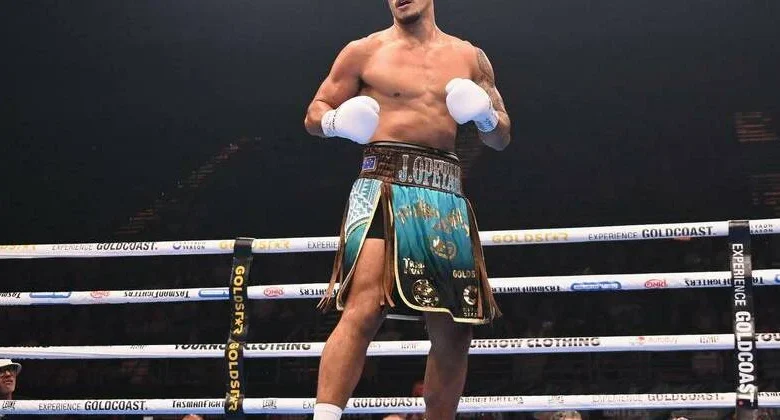
Verified facts: Jai Opetaia publicly said the IBF and Zuffa Boxing titles would be on the line at a Las Vegas news conference, presenting the bout as a unification. Opetaia signed with Zuffa Boxing earlier in the year with the intention of pursuing undisputed status. At a face-off ahead of the contest, Opetaia did not have the IBF belt present while the Zuffa belt was displayed. Mick Francis of Tasman Fighters, Opetaia’s long-time manager, rejected claims that the fight would not be for all titles and said the team intends to fight for every belt. Zuffa’s leadership has positioned Opetaia as a centerpiece as the organisation pursues its inaugural title.
Informed analysis: That Opetaia publicly declared all belts at stake while the IBF withdrew sanctioning highlights a public disconnect between the champion’s camp and the sanctioning body. The absence of the IBF belt at the face-off, paired with the visible Zuffa belt, created a visual cue reinforcing that disconnect. The manager’s insistence on contesting for all titles suggests operational confidence inside the camp, but confidence alone does not alter the IBF’s procedural authority to strip or vacate a title.
Where the positions diverge and what accountability is needed
Verified facts: There are at least three distinct positions in play: the IBF’s formal withdrawal of sanction, the champion’s declaration that his IBF title would be defended, and the manager’s rejection of suggestions otherwise. The IBF has warned of vacancy consequences; the champion has a prior instance when his title was declared lost after fighting a non-mandatory opponent.
Informed analysis: When a new promoter or organising body introduces a championship into the marketplace, clarity about governance—recognition, regulatory compliance, and pre-fight disclosures—becomes essential. The current dispute exposes a governance gap: fighters, managers and promoters may operate under different expectations about what a belt represents and whether multiple organising frameworks can coexist in a single contest. That gap creates reputational and career risk for fighters and legal and regulatory exposure for sanctioning bodies.
Accountability conclusion: The public record here is clear on procedure but mixed on implementation. The IBF’s procedural warning and the champion’s public commitment to defend for multiple belts are both verified facts. For transparency, the IBF should publish the specific points that led it to conclude it was misled; Zuffa Boxing and the champion’s team should publish their documentation and agreements about what was promised before the bout was marketed as a unification. Independent review of pre-fight communications and written agreements would resolve whether the split is an administrative miscommunication or a substantive clash over what a new belt represents. Until those documents are disclosed, the status of the IBF cruiserweight title will remain contested and the risk of vacancy—already realised once for this champion—will hang over the division.