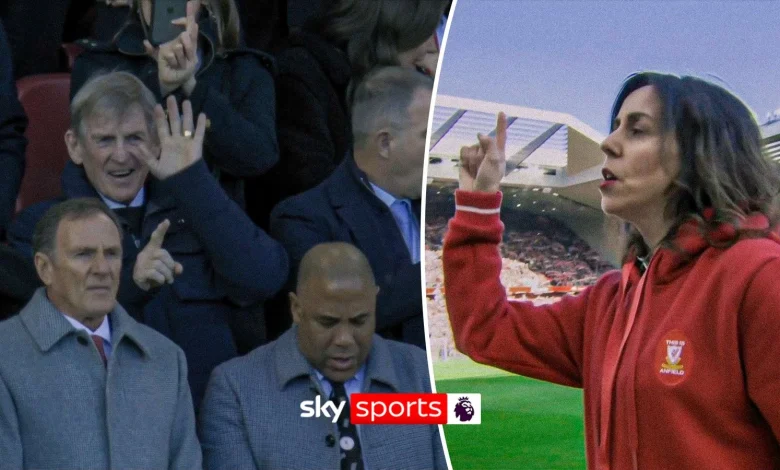
Inside Anfield, supporters lifted their hands in unison as the club anthem was signed — YNWA performed in sign language for the first time at Anfield — a moment that prefaced a new accessibility pledge from liverpool fc to extend British Sign Language (BSL) access across matchdays and local venues.
How will Liverpool Fc deliver sign-language access on matchdays?
The club has announced a landmark commitment to provide BSL interpreters at each home match for the men’s and women’s teams for the duration of the 2025/26 seasons. The programme follows a pre-match display in which fans at Anfield came together to sign the anthem and a video that included former Reds boss Sir Kenny Dalglish in a poignant sequence. That moment was widely praised and helped catalyse the long-term pledge.
Delivery is being coordinated in partnership with Carlsberg, Liverpool’s longest-standing sponsor, and with the British Deaf Association playing an active role in the project. On-site measures include BSL interpreters at matches and targeted training for staff at both Anfield and St Helens Stadium, where the women’s team plays. The initiative is designed to make commentary, announcements and match-day services more accessible to Deaf and hard-of-hearing supporters.
What will change beyond the stands?
The programme deliberately extends past the stadium gates. Staff at fan bars and pubs around the world will receive BSL training, and select teams at 16 Greene King pubs across Merseyside will be given basic instruction in common signs. That basic package covers essential matchday interactions with signs for words such as “pint”, “beer”, “wine” and the practical question “are you paying with card?”.
Organisers frame these steps as part of a wider aim: to improve accessibility in every aspect of a matchday experience, from the stands to the concourse, so that all supporters feel they belong. The involvement of the British Deaf Association offers an institutional perspective on implementation and standards, while the club’s sponsor partner is helping resource the rollout.
What does this mean for Deaf and hard-of-hearing supporters?
For many fans, the combination of the sign-language performance and the new interpreter programme signals a practical response to exclusion. The commitment is intended to ensure Deaf and hard-of-hearing supporters no longer miss out on the full match-day experience, and to embed accessibility into routine operations at matches and in match-affiliated hospitality.
The move also creates a model for local venues to follow. By training staff at stadiums and at pubs across Merseyside, the initiative aims to make the entire matchday ecosystem more welcoming. Supporters who took part in the pre-match signing praised the moment as powerful, while the club and partner organizations emphasize the pledge as the start of longer-term change rather than a one-off gesture.
Back in the bowl at Anfield, where hands first shaped the anthem into sign, the scene now carries new weight. What began as YNWA performed in sign language for the first time at Anfield has become the opening act for a programme that reaches interpreters, hospitality staff and community pubs — and it leaves the question of how other clubs and venues will respond to this model of inclusive soccer experiences.