blood donation is the simple first step in a carefully coordinated process that moves units from community drives to hospital patients — and two March drives highlight how that journey works in practice.
What happens after a Blood Donation is collected?
At the collection end, donors enter a system that relies on volunteers and centralized testing. Memorial Blood Centers begins with donors such as Jean Franckowiak, who has been donating for nearly 50 years and said, “I can make sure somebody else is living or thriving because of my blood. ” Volunteer drivers then pick up labeled products and supplies for delivery to donor sites and testing facilities. Volunteer driver Brittany Barrens Markren said, “I show up and pick up blood products and supplies that need to go out to the donor sites, ” and later returns to Memorial Blood Centers after testing to learn delivery destinations, one of which is Aspirus St. Luke’s.
What does a hospital do with donated units and why is blood donation a continuing need?
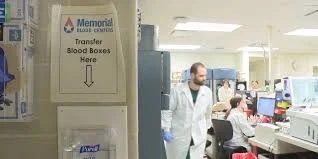
When donations arrive at a receiving hospital they move immediately to the laboratory. Laboratory Administrative Director Jennifer Alaspa and her team conduct safety checks, verify proper shipment temperature and then scan each unit into inventory before placing it into refrigerators. “The first thing they do is safety checks to make sure that it’s safe, ” Alaspa said. After that confirmation, units are logged and stored for use throughout the hospital, including the birthing center and the emergency department. Alaspa noted the ongoing demand: “On any given day we can give anywhere from 10 to 30, 40 units of blood, ” and added, “You never know when you’re going to be the one that needs to have a blood transfusion. ” Those operational details explain why officials in separate communities are urging residents to give.
What happens at local drives and who is eligible?
Two community events illustrate the front end of the supply chain. A town-sponsored drive at the Hicksville Athletic Center will run on March 10 from 1 to 7 p. m. ET at 167 S. Broadway; Oyster Bay Town Clerk Richard LaMarca urged residents to participate, saying, “Blood supplies are critically needed for local hospitals to meet the demand and continue saving lives. ” A blood drive with Memorial Blood Centers is also scheduled on March 9 and 10 at Pier B Resort.
- Appointment guidance: Appointments are preferred for the Hicksville drive.
- Eligibility highlights: Donors must be 17 to 75 years old (16 with parental permission; 76 or older with a doctor’s note), weigh at least 110 pounds, and not have donated within the past 56 days.
- Recent tattoos: Donors who received a tattoo in the past three months are ineligible.
- Pre-donation advice: Officials recommend eating well and drinking fluids before giving.
- Incentives: Hicksville donors will receive a voucher redeemable for two New York Islanders tickets and a voucher for a free Blizzard at Dairy Queen.
- Public reminder: Town Supervisor Joseph Saladino said a single pint of donated blood can save up to three lives.
These elements — volunteer collection and delivery, centralized testing, hospital safety checks and clear local eligibility rules — form a single operational thread linking donors to patients. They also explain why communities coordinate drives in March and why organizers emphasize turnout.
As drives proceed, residents can use the published eligibility checklist, heed pre-donation advice and consider scheduled local events that deliver material support to hospitals; the practical steps described by donors, volunteer drivers and laboratory staff underscore how one community act becomes direct clinical support — a straightforward, high-impact blood donation