Grand Prix Melbourne: From smaller cars to a bigger budget cap — 12 rule changes that will reshape the opener

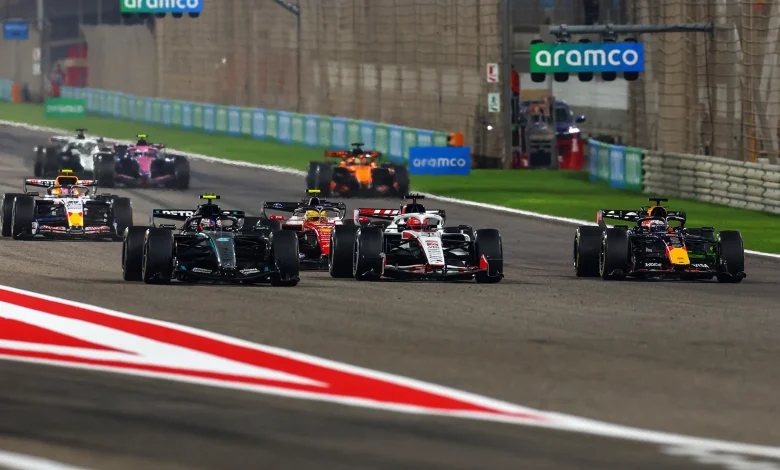
Under the grey gum trees beside Albert Park, teams will roll out machinery that looks and behaves very differently when the grand prix melbourne begins. The cars are shorter, narrower and lighter; the engines are rebalanced between combustion and electricity; and the weekend will feature new names on the grid. What arrives in Melbourne is a concentrated preview of the biggest technical shift in the sport this decade.
What will fans notice at the Grand Prix Melbourne?
On first sight, the 2026 cars are visibly changed. Wheelbase has been reduced by 200mm to 3400mm, and floor width is down by 100mm. Tyre contact patches have been trimmed: front tyres are 25mm narrower, rear tyres 30mm narrower. Those dimensional changes feed through to handling and racecraft — drivers have described a more nimble car compared with the previous year.
Under the skin, the minimum weight limit has dropped from 800kg to 768kg, a direct consequence of smaller dimensions and the removal of a complex power-unit element. The absence of the MGU-H and other design simplifications — simplified wings, removed wheel covers and new bargeboards — are meant to reduce turbulent outwash and make it easier for cars to follow each other closely.
How do the 2026 rule changes alter the cars and power units?
The technical picture arriving at Albert Park is twofold. Aerodynamically, ground-effect Venturi tunnels beneath the car have been removed and floor regulations have changed, permitting a larger diffuser but reducing the previous dominance of underfloor suction. The front and rear wings are simpler and wheel covers are gone; bargeboards are introduced to direct turbulence inboard.
Power units have been rebalanced toward electrical delivery. The Internal Combustion Engine now produces around 400kW, while the MGU-K electrical output rises from 120kW to 350kW — shifting the split to roughly half combustion and half electrical power. Batteries may be recharged with more than double the earlier 4MJ per lap, amplifying the importance of energy harvesting through braking, part-throttle recovery and so-called “super clipping” where the MGU-K operates in reverse under certain conditions at the end of straights.
The combined effect is lighter cars that handle differently despite lower downforce levels; drivers have already said they can feel the change behind the wheel. The intent of the package is to preserve close racing while introducing new engineering priorities for teams and drivers alike.
Who are the new faces and what does the weekend schedule look like?
The season opens at Albert Park with the first round of a 24-race calendar. The field contains a single rookie: British 18-year-old Arvid Lindblad at Racing Bulls. Veteran drivers Sergio Perez and Valtteri Bottas have been chosen to guide Cadillac, the 11th team on the grid, in its debut season. A reminder of how unpredictable Melbourne can be: last year rain arrived on race day and several drivers crashed out, including rookie Isack Hadjar on the parade lap.
On-track sessions are compact across the three days: practice sessions and qualifying precede the race, giving spectators an immediate sense of how the new cars behave in traffic and under evolving fuel and electrical strategies. The campaign then moves quickly to the next round in Shanghai, which will be the season’s first sprint event.
Historic moments and memories, like Bernoldi’s street battles with David Coulthard and his early years alongside Max Verstappen at Arrows, linger as context for the spectacle in Melbourne: the opener will not only crown the fastest but also expose which teams adapted quickest to the 12 major changes that define 2026.
As garages close their doors after the final parc fermé, the grand prix melbourne will have done more than decide a winner; it will have offered the first collective verdict on whether the new rules deliver closer racing, new strategic depth and a rebalanced technical contest — and which teams have converted regulation change into performance advantage.