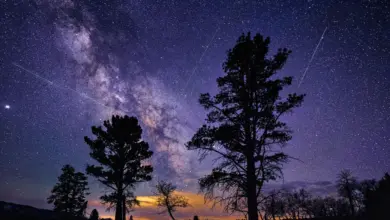
The meteor shower tonight is drawing attention because the Lyrids have reached their most active state of 2026, putting a familiar April sky event back in focus for observers across the U. S. and for one NASA astronaut who captured the scene from the International Space Station.
That blend of ground-level viewing and orbital imagery gives this moment added weight. The shower has already hit its two-night peak in activity for 2026, but the viewing window is not over yet, and that keeps the story relevant for anyone looking up after dark in Eastern Time.
What Happens When The Peak Has Already Passed?
The Lyrids are not a one-night event. The shower reached its peak in activity for 2026, but it should remain visible to stargazers through April 30. That means the meteor shower tonight still matters even after the sharpest burst of activity, because the display does not simply disappear once the peak passes.
For skywatchers, the practical takeaway is straightforward: the strongest window has already occurred, but the broader viewing period continues. The timing also explains why interest remains high now, especially after an image from space showed what the meteors look like from above Earth.
What If The Best View Is Not On The Ground?
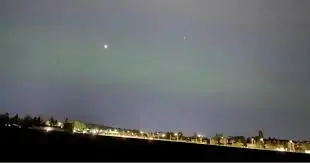
One of the most striking details in this week’s coverage is that a NASA astronaut photographed the Lyrids from the cupola of the International Space Station, about 250 miles above Earth. Jessica Meir, who is part of a four-person crew on the ISS, shared the image after taking it with a three-second exposure.
Her photo showed a meteor streaking by on the left side of the image, under the horizon, while city lights below stretched into streaks because of the longer exposure. Meir said she was lucky enough to photograph the shower while the station was in the midst of the Lyrids.
That view matters because it reinforces how the same event can look different depending on where it is observed. On Earth, viewers are searching the night sky. From orbit, the meteor becomes part of a broader frame that includes the planet itself.
What Forces Are Making This A Noticeable Moment?
Several forces are shaping the attention around the meteor shower tonight:
- Seasonal timing: the Lyrids appear every April as Earth passes through the debris trail left by the comet Thatcher.
- Public visibility: skywatchers across the U. S. have been looking upward as the shower reached its most active state of 2026.
- Orbital perspective: the ISS image gave the event a second life by showing the shower from 250 miles above Earth.
- Extended viewing window: visibility through April 30 keeps the event relevant beyond the peak nights.
The oldest known meteor shower also carries a built-in sense of continuity. It returns like clockwork, which gives this year’s display a stable pattern even as individual sightings vary. The result is a familiar annual event that still feels fresh when a clear image or a strong viewing stretch puts it back in the spotlight.
What If You Are Deciding Whether To Watch Tonight?
| Scenario | What it means |
|---|---|
| Best case | You catch lingering activity after the peak and still see the meteor shower tonight during the extended window. |
| Most likely | You see fewer meteors than at peak, but the shower remains visible and worth watching through April 30. |
| Most challenging | Conditions make viewing less rewarding, but the event still continues and can be revisited on another night before the window closes. |
That range is important because it keeps expectations realistic. The strongest activity has already occurred, yet the shower’s remaining visibility means the story is not over for observers who missed the peak.
What Happens Next For Skywatchers And Space Imagery?
The immediate next phase is simple: the shower continues through April 30, and attention may shift from peak activity to the quality of lingering sightings. At the same time, the ISS image has already helped expand the event beyond a local or regional skywatching moment into a wider visual reference.
For readers, the main point is to recognize the difference between peak intensity and remaining visibility. The meteor shower tonight may not match the strongest nights of 2026, but it still offers a real chance to see the Lyrids while they remain active. Keep expectations grounded, watch the sky if conditions allow, and note how the same event can look both familiar and surprisingly new.
meteor shower tonight