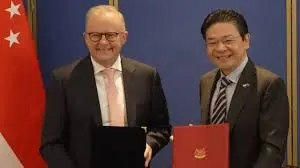
In a week when fuel anxiety is shaping both politics and household routines, brunei has become part of Australia’s effort to steady a supply chain that reaches from diplomatic meetings to the family car. Prime Minister Anthony Albanese and Foreign Minister Penny Wong are set to visit Brunei and Malaysia as the government works to secure diesel, fertiliser and other critical goods.
The trip lands against a wider backdrop of global tension, with the government saying it wants negotiations between the US and Iran to continue and does not expect Australia to be asked to take part in any blockade of the strait of Hormuz. In Canberra, the message is practical: keep trade moving, keep supplies flowing, and avoid turning a distant conflict into a domestic shortage.
Why does Brunei matter in this moment?
Brunei is part of a diplomatic push aimed at protecting Australia’s supply of fuel and other essentials. The visit to Brunei and Malaysia is being framed as a way to shore up access to goods that sit far from the public eye until they become suddenly scarce.
That is what gives this trip its urgency. Diesel is not only a driver’s concern. It touches transport, agriculture, and the movement of goods. Fertiliser matters to the broader chain that feeds the country. The government’s concern is not abstract: it is about keeping ordinary systems functioning when international pressure makes them less reliable.
Anthony Albanese, Prime Minister of Australia, said on Channel 9’s Today that Australia has not been asked to participate in any blockade of the strait of Hormuz and has received no requests to do so. He said the government wants negotiations to resume, wants an end to the loss of life and infrastructure in the Middle East, and wants trade to resume.
How is the pressure being felt at home?
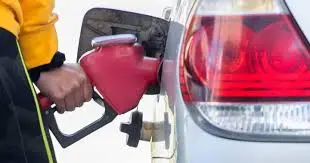
While ministers prepare for diplomatic talks, the public is being asked to change habits. The government launched a new ad campaign over the weekend encouraging people to minimise fuel use during the global energy crisis. The campaign includes simple advice: care for vehicle tyres, travel light, reduce drag, use air conditioning and heating on low settings, fill up only when needed, monitor speed and acceleration, and minimise idling.
That appeal has landed unevenly. Barnaby Joyce, a member of One Nation, called the ads “ridiculous. ” James Paterson, a Liberal senator, said Australians do not want to be “lectured. ” The disagreement reflects more than political theatre. It shows the tension between a government trying to manage risk and a public being asked to absorb the costs in everyday life.
For many households, fuel is one of the first places where international instability becomes visible. A tank of petrol, a delivery run, a farm task, or a commute can all feel slightly more expensive and slightly less predictable when supply is under strain. In that sense, brunei is not a distant name in a diplomatic itinerary; it is one piece of a larger effort to keep the pressure from reaching kitchen tables and business ledgers.
What is the government trying to do next?
The immediate answer is to deepen relationships in Asia while seeking more reliable access to the goods Australia depends on. The visit to Brunei and Malaysia sits alongside the government’s broader effort to secure supply during a period of uncertainty in global energy markets.
Anthony Albanese said the effects of the current situation are global and that every country is being impacted. That point matters because it frames the issue as shared vulnerability rather than a local inconvenience. Australia is trying to preserve normal life through diplomacy, public messaging, and supply planning at the same time.
For now, the picture is one of caution rather than crisis. The government is urging restraint in fuel use, pursuing conversations overseas, and trying to avoid disruption before it becomes visible at the pump or in the shipping system. If those efforts work, the public may never notice how close the pressure came. If they do not, the consequences will likely be felt first in the smallest routines: an extra trip postponed, a tank filled later, a purchase delayed. In that quiet gap between policy and daily life, brunei has taken on a meaning larger than geography.