Coachella set times are doing more than organizing a festival; they are shaping how viewers, whether on-site or at home, decide what matters most. The first weekend’s schedule is built around a tight mix of headline draws, overlapping stages and a livestream that mirrors much of the in-person timing. That matters because the biggest performances are spread across different nights, leaving fans with fewer easy choices and more real trade-offs. For a festival with eight main stages and multiple feeds, timing is now part of the headline.
Why the weekend one schedule matters now
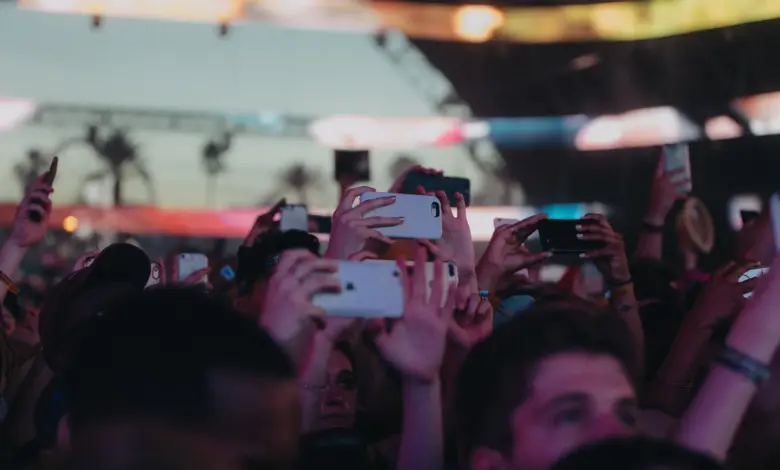
Coachella’s first weekend runs from Friday, April 10 through Sunday night, with the livestream beginning at 4 p. m. PDT on Friday and continuing through the final night. The festival is streaming basically all sets from seven of the main stages after 4 p. m., plus a vertical Shorts feed, and viewers can use multiview to watch up to four stages at once. That makes coachella set times more than a planning tool; they are the framework for how the audience experiences the festival in real time.
The main reason the schedule is drawing attention is simple: the weekend is packed with major names, but the most talked-about acts are clustered late in the day. Sabrina Carpenter is set for 9: 05 p. m. on Friday, followed by Anyma at midnight. Justin Bieber is scheduled for 11: 25 p. m. on Saturday, while KAROL G closes the weekend on Sunday at 9: 55 p. m. The result is a schedule that looks manageable on paper but still forces hard decisions once the overlap begins.
Inside the livestream and stage-by-stage timing
On Friday, the timing map shows how quickly the pace escalates. Record Safari runs from 4: 15 to 5: 20 p. m., Teddy Swims follows from 5: 30 to 6: 20 p. m., The xx lands at 7 to 7: 55 p. m., Sabrina Carpenter takes the main stage from 9: 05 to 10: 35 p. m., and Anyma arrives at midnight. That sequence gives the day a clear arc, with the biggest crowd pull reserved for the night.
Saturday brings the most recognizable streaming pressure point. The schedule includes Addison Rae at 5: 30 p. m., Giveon at 7 p. m. and The Strokes at 9 p. m. on one feed, then Justin Bieber at 11: 25 p. m. on the same night. Other notable Saturday sets include Jack White at 4 p. m., Fujii Kaze at 4: 50 p. m., Royel Otis at 5: 50 p. m., Taemin at 7: 30 p. m., PinkPantheress at 8: 55 p. m. and Interpol at 10: 15 p. m. The livestream also carries a note of caution: previous festivals have seen delays, so start times may slip.
Sunday is shorter on detail in the available schedule, but the key point is still clear: the festival closes with KAROL G, underscoring how the final night is positioned as a major global moment. The broader structure remains consistent across the weekend, with the same lineup playing across the two weekend format, and the in-person schedule largely matching the livestream after 4 p. m.
What the timing reveals about the festival’s strategy
The structure of coachella set times suggests a festival built to maximize choice while reducing friction. The event already spreads performances across eight main stages and a pair of fest-within-a-fest stages, but the streaming setup changes the calculus. By making most of the after-4 p. m. programming available across seven stages, the festival gives remote viewers a near-complete window into the night. That is especially important for the headline acts, which sit at the center of both the in-person and digital audience.
There is also a notable programming effect in the surprise addition of Jack White, who has a 3 p. m. set on Saturday in one schedule and a 45-minute Mojave Tent slot in the broader weekend context. In practical terms, that kind of addition turns a single afternoon into a talking point, especially when it lands inside an already crowded day. It also shows how the weekend can still shift even after the core schedule is published.
Expert context and the broader impact
From an editorial perspective, the strongest takeaway is how much the festival’s viewing experience now depends on platform design as much as artist power. The schedule is not only about who plays, but about how those performances are delivered. The livestream app on iOS and Android, the multiview option and the staggered stage feeds all make the viewing experience more customizable, but also more demanding for fans who want to keep up with multiple acts at once.
David Viramontes, audience editor for Entertainment and Arts, is credited with the Saturday livestream breakdown tied to the schedule. The context surrounding that coverage highlights the practical reality of following Coachella at scale: fans are no longer just choosing between artists, but between feeds, screens and timing windows. That is why coachella set times matter so much this year. They determine not only who plays when, but how the festival is consumed across live and remote audiences.
Beyond the weekend itself, the broader impact is regional and global. The festival’s two-weekend structure means the same lineup repeats, while international viewing options expand its reach far beyond California. For audiences watching from home, especially those relying on livestream timing, the schedule effectively becomes the festival’s public face.
And that leaves the central question: when every major act is framed by a tightly managed clock, does the festival become easier to follow, or simply harder to choose from?