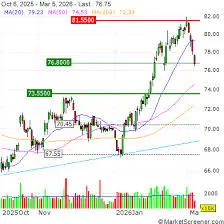
On a trading desk, the question is not abstract: coca-cola is moving toward its April 28 earnings report, and investors are deciding whether to act now or wait. The stock has momentum, the calendar is tight, and the next update could sharpen the debate over value, timing, and patience.
Why are investors focused on coca-cola now?
The answer starts with the calendar. Coca-Cola is scheduled to report before U. S. markets open on Tuesday, April 28, placing it among the first-quarter updates drawing attention this month. The company has also been one of the stronger consumer staples names this year, and the stock is up 8. 6% year to date. That combination can make hesitation expensive if interest keeps building before the results arrive.
There is also the longer view. Coca-Cola is one of Berkshire Hathaway’s four “forever” equity holdings, a detail that still shapes how many investors think about the company. For long-term holders, the point is less about guessing the next trading session and more about whether the business can keep compounding through changing conditions. In that sense, the current discussion is not just about one earnings report. It is about whether the market still offers a reasonable entry point before the update lands.
What does the recent valuation work suggest?
The valuation case is mixed, but not dismissive. One analysis uses a two-stage free cash flow to equity approach and estimates Coca-Cola’s intrinsic value at US$87. 69 per share, compared with a recent share price of US$75. 91. On that basis, the stock appears to trade at about a 13. 4% discount.
The same analysis says Coca-Cola scores 2 out of 6 on its valuation checks, a reminder that a discount on one model does not settle the question on its own. The company’s current P/E ratio stands at 24. 93x, above the beverage industry average of 16. 66x and slightly above the peer average of 23. 67x. At the same time, a proprietary Fair Ratio of 26. 26x suggests the shares look slightly undervalued on that method.
For investors trying to reconcile those numbers, the message is narrow but useful: Coca-cola is not obviously cheap, yet it is not being treated as if it has no room to move. The valuation picture leaves space for debate rather than certainty.
What is changing inside the company before the report?
One important development is leadership. Henrique Braun took over as CEO on March 31, and the upcoming conference call may draw questions about digitization, marketing integration, and efforts to speed up product launches. Those are not cosmetic topics. They speak to how the company plans to stay efficient and responsive while protecting its scale.
The earnings history also matters. When Coca-Cola reported third-quarter results last October, the stock rose 3. 5% after the report, but that move was unusual. Over the prior 12 quarters, the average post-earnings move was 0. 7%, which points to a stock that often does not swing sharply on results day. For investors who dislike volatility, that can be part of the appeal. For those trying to time the market, it means the more consequential decision may be the one made before the report, not after it.
What do the balance sheet and dividend story add?
The company’s cash position gives it room to act. Coca-Cola had $16 billion in cash on hand as of the end of 2025, which supports continued investment in the business and dividend growth. The dividend itself has been raised for 64 consecutive years, a record that reinforces the company’s reputation as a steady income name.
That stability is one reason the stock keeps drawing attention from both consumers and investors. Yet the decision still comes down to timing. If the shares remain in demand, waiting for clarity may mean paying more later. If the market grows cautious ahead of April 28, the current price could look more appealing. The uncertainty is not whether Coca-Cola remains a major company. It is whether the present setup still offers enough room for patient buyers.
For now, coca-cola sits at the intersection of momentum, valuation, and a new chapter in leadership. The market will soon have fresh numbers to judge, but the pre-earnings debate is already clear: buy into the story now, or wait and risk losing the chance at a better entry. In that moment before the report, the familiar red logo carries a very modern question.