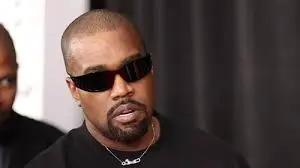
Kanye West has become the focus of a widening dispute over whether a headline festival booking should stand when the artist at the center of it has a record of antisemitic remarks. The latest turn is not just about one performance in London; it is about how institutions react when public pressure, sponsor concerns, and calls for accountability collide.
What Happens When a Festival Holds Its Line?
The promoter behind Wireless Festival has stood by the decision to have Kanye West perform, even after criticism from political leaders and Jewish organisations. Melvin Benn, managing director of Festival Republic, said West is intended to come in and perform, while stressing that the booking is for music, not for giving him a platform to express opinions.
Benn has framed the decision around forgiveness and second chances, saying he believes people should reflect before reacting with disgust. He also said he has seen the effects of mental illness in his personal life and that this has shaped how he thinks about destructive behaviour and the possibility of change. At the same time, he described West’s past comments about Jews and Hitler as abhorrent.
The controversy has already moved beyond the festival itself. Calls to block the appearance have come from lawmakers and Jewish organisations, while UK ministers have publicly criticised the booking. Bridget Phillipson said West should be barred from performing because of remarks she called completely unacceptable and absolutely disgusting. Prime Minister Keir Starmer also said it was deeply concerning that West had been booked despite previous antisemitic remarks and celebration of nazism.
What If the Booking Becomes a Broader Test Case?
The Wireless dispute now sits at the intersection of public safety, reputation management, and institutional responsibility. One major pressure point is consultation. Benn later said Festival Republic had not consulted Jewish communities in the UK before making the booking and suggested that may have been a mistake. That admission matters because it shifts the argument from whether the festival has the legal right to proceed to whether it exercised sound judgment before announcing the headline act.
Another pressure point is commercial trust. West’s appearance has already prompted sponsor unease, and the festival’s headline sponsor had initially signed off on the booking before later distancing itself. That is a reminder that major live events now face scrutiny from multiple directions at once: fans, politicians, community groups, and corporate partners.
For West, the current moment is also about public rehabilitation. He has said he wants to meet members of the Jewish community in the UK, listen in person, and show change through actions. He said his goal is to come to London and present a show of change, bringing unity, peace, and love through his music. The offer is significant, but it does not erase the controversy surrounding his past statements.
What Are the Main Forces Reshaping This Story?
| Force | Current signal | Why it matters |
|---|---|---|
| Political pressure | Criticism from senior UK officials | Raises the stakes for the festival and for any review of West’s permission to enter the country |
| Community trust | Jewish groups say the response has not reassured them | Shows that explanation alone may not be enough without consultation and clearer safeguards |
| Commercial risk | Sponsor distancing after the backlash | Signals that reputational costs can spread quickly to partners |
| Personal rehabilitation | West says he wants to listen and show change through actions | Creates a possible path forward, but one that depends on behavior over time |
There is also a broader behavioral shift at play. Benn’s comments suggest a willingness, in some parts of the live-events industry, to interpret controversy through the lens of forgiveness. But that approach is increasingly challenged when the criticism involves antisemitism, public symbolism, and repeated harm. In this environment, institutions cannot rely only on star power; they must also demonstrate process, consultation, and consistency.
What Happens Next for Kanye West and the Festival?
Three broad outcomes now seem possible. In the best case, the festival keeps the booking while building clearer safeguards, West follows through on his offer to meet community members, and the performance is framed around music rather than renewed provocation. In the most likely case, the dispute continues up to the event, with political criticism, sponsor caution, and public protest shaping the run-up even if the appearance still goes ahead. In the most challenging case, pressure on the festival intensifies enough to force a major reversal or to trigger further restrictions around access and performance.
For stakeholders, the winners and losers are already becoming visible. The festival may gain attention, but it also risks long-term reputational damage. Sponsors face a difficult balance between audience reach and values alignment. Political leaders gain leverage by speaking to public concern, but they also inherit the burden of deciding how far intervention should go. Jewish communities remain central to the debate, especially given the lack of early consultation. And West himself remains in a narrow window: he can try to signal change, but only sustained action will make that credible.
The key lesson is that this is no longer just a booking dispute. It is a test of whether public institutions can respond to harm with both firmness and clarity, while still leaving room for accountability and genuine change. The next phase will depend less on rhetoric than on whether the parties involved can make their actions match their words. For readers watching this unfold, the important thing to understand is that Kanye West has become a symbol of a much larger argument about responsibility, legitimacy, and forgiveness in public life. Kanye West