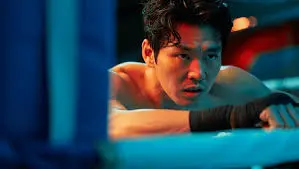
On screen tonight, bloodhounds season 2 drops the viewer into a blood-slick ring and a cramped locker room where two friends count bruises and plans. The series opens with Kim Gun-woo and Hong Woo-jin stepping back into a world that has widened from small-town loan sharks to a ruthless international underground boxing circuit; the camera lingers on callused knuckles and the quiet that follows a fight, promising that what follows will be darker and faster-paced.
What is Bloodhounds Season 2 about?
Season two arrives as a condensed, seven-episode chapter that moves the action from domestic criminal battles into a global illegal boxing league. The storyline centers on Kim Gun-woo, now more driven toward a championship, and Hong Woo-jin, who stands beside him as coach and chosen family. The season escalates stakes and scope: production notes describe higher production values, intensified pacing, and more elaborate fight choreography that push the pair into moral compromises and life-or-death choices.
“Woo Do-hwan and Lee Sang-yi return as Gun-woo and Woo-jin, a pair of fighters hardened by the battles they’ve fought together. Having taken down the loan sharks, Gun-woo is more motivated than ever to pursue his dream of becoming a boxing champion, with Woo-jin fully in his corner as his coach and chosen family. ”
The series condenses its arc into seven tightly crafted episodes, a shift from the first season’s eight, signaling a faster narrative tempo and fewer slow moments. The return after three years underscores how the show seeks to reward long-time viewers while testing its protagonists against a new, international menace.
Who returns, who joins, and what does production change in Bloodhounds Season 2?
Key performers reprise their roles: Woo Do-hwan, actor, returns as Kim Gun-woo; Lee Sang-yi, actor, reprises Hong Woo-jin. Their chemistry and bromance remain central to the series’ emotional core. A major casting addition is Jung Ji-hoon, stage name Rain, singer and actor, who takes on his first villain role as Baek-jeong, the leader of a global syndicate that operates the illegal boxing league. Supporting cast members listed for this chapter include Huh Joon-ho, Park Sung-woong, and Choi Si-won.
On the production side, Ghost Studio is named as a co-producer and is credited with driving a larger-scale worldview for the series. The company is described as having established a production footprint and accelerating efforts to target the global market, leveraging its production experience and existing intellectual properties to expand in multiple directions.
How are creators and producers responding to audience demand?
The creative response is twofold: raise the spectacle and keep the emotional center intact. The makers have tightened the episode count to sharpen momentum and invested in choreography and editing to heighten tension across the seven episodes. The casting of a high-profile antagonist signals an intent to amplify threat and test the leads’ bond on a global stage.
Ghost Studio’s involvement represents an industrial response as well. The company is identified as accelerating production activities, refining genre-focused output, and aiming for broader international reach. That strategy frames season two not simply as a continuation of a story but as part of a deliberate push to place this property on a larger stage.
The first season’s earlier global surge — reaching high positions in international viewing charts for non-English television immediately after release — provides the commercial backdrop for these creative choices. The second season’s shorter, more intense format appears designed to reward viewers who seek concentrated fighting cinema with strong emotional stakes.
For viewers returning after three years, the payoff is tightly staged action and the deepened relationship between Gun-woo and Woo-jin. For the series’ producers, the gamble is that higher-octane international conflict and a menacing new antagonist will expand the show’s footprint and draw new audiences to the pair’s story.
Back in that locker room from the opening scene, the brothers-in-arms wrap their hands and share a glance that now carries years of survival and an uncertain future. The series closes that world only to open a wider one: seven episodes that promise to punish, challenge, and ultimately test the bond that made the first season resonate.