Ncaa selection show reveals top seeds look invincible — but the bracket contains clear vulnerabilities

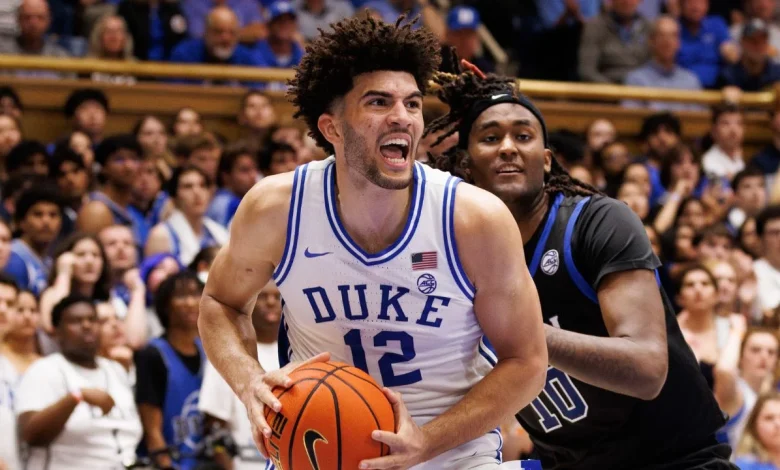
The ncaa men’s selection show placed Duke as the No. 1 overall seed and named Arizona, Michigan and Florida as the other No. 1 seeds — a map that on the surface suggests repeat dominance but, under scrutiny, leaves several seams opponents can exploit.
Ncaa bracket map: Why four No. 1 seeds can be both dominant and fragile
Verified facts: The selection show placed Duke, Arizona, Michigan and Florida at the top of the four regions. Last year, all four No. 1 seeds reached the NCAA men’s basketball Final Four for only the second time in history. Florida entered the show with a recent blowout loss to Vanderbilt in a conference semifinal; Houston lost to Arizona in the conference final and UConn lost to St. John’s in its conference championship game, developments that helped position Florida as a No. 1 seed with in-state games.
Analysis: The bracket pairs historical strength with recent instability. The presence of four No. 1 seeds that reached the Final Four last season creates a narrative of continuity, but individual game reversals in conference tournaments show those top seeds are not infallible. Seeding rewards full-season body of work, yet single-game losses by top teams immediately before the tournament expose matchup vulnerabilities that lower seeds can exploit.
Which teams and roster shifts shift the balance?
Verified facts: Duke is listed as the team to beat in the East Region despite losing four players over the last draft cycle, including Cooper Flagg among those taken in the first 33 picks of last year’s NBA Draft. Duke was without key contributors Patrick Ngongba and Caleb Foster to injury over the selection weekend. The East bracket includes marquee coaches and teams: No. 5 St. John’s under Rick Pitino, No. 4 Kansas under Bill Self, No. 3 Michigan State under Tom Izzo and No. 2 UConn under Dan Hurley. Duke opens against 16th-seeded Siena, coached by Gerry McNamara. The tournament field also contains a deep pool of projected top prospects — multiple players mentioned for lottery consideration remain in the tournament field — and BYU’s AJ Dybantsa is singled out as a projected top prospect while his team is a No. 6 seed in the West.
Analysis: Roster turnover and injuries create two layers of uncertainty. Teams with high draft departures can still be favored by pedigree and coaching, but missing rotation players at selection time raises legitimate questions about readiness. Conversely, the concentration of marquee coaches in a single region compounds upset potential: seeds that look secure on paper may face tournament-tested coaches whose reputations and game plans are capable of neutralizing talent gaps.
Selection-show takeaways and where accountability is due
Verified facts: After a perfect 31-0 regular season in the Mid-American Conference, Miami (Ohio) still faced bracket uncertainty because of a weak strength of schedule; the RedHawks then lost their first conference-tournament game 87-83 to UMass. The tournament field includes multiple projected lottery freshmen and upperclass prospects who could influence later-round outcomes.
Analysis: The selection show highlights enduring tensions in tournament construction: how to weigh dominant resumes built in weaker leagues against signature wins and late-season conference results. A team that dominated its conference schedule can still be perceived as fragile if it lacks a challenging nonconference slate. Meanwhile, the concentration of draft-eligible talent in tournament teams turns March play into a parallel scouting event — a factor that can elevate exposure for top prospects but also change team dynamics as players balance professional trajectories with team goals.
Accountability and next steps: The selection mapping and these immediate takeaways warrant transparent explanations from the tournament committee about how late-season losses and conference tournament results were balanced with season-long resumes. Coaches and programs should clarify injury statuses and roster availability as the tournament begins to reduce informational asymmetry that affects competitive fairness. The ncaa field is set; the lines on the bracket do not settle the tournament’s questions. What they do reveal are where the vulnerabilities lie and which matchups will determine whether top seeds remain as dominant as seeding implies.