Toyota Highlander Recall: The Small Spring That Prompted Half a Million Fixes and a Quiet Trip to the Dealer

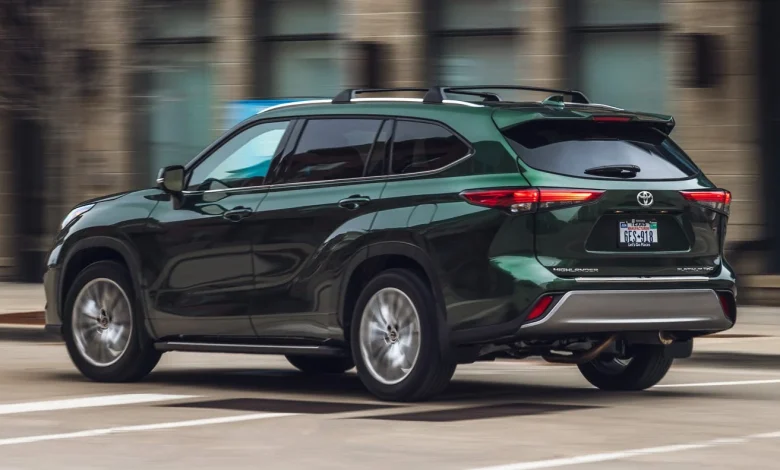
In a dealership service bay, a technician will reach for a small coil of metal that will determine whether a rear seat locks solidly or can slip in a crash. That moment sits at the center of the toyota highlander recall: a hardware flaw in second-row recliner mechanisms that has led Toyota to call back 550, 007 Highlander and Highlander Hybrid SUVs.
What is the Toyota Highlander Recall?
The recall covers a subset of 2021–2024 Highlander and Highlander Hybrid SUVs and traces back to the recliner seatbacks in the second row. Recall documents filed with the National Highway Traffic Safety Administration (NHTSA) explain that a parts supplier made a design change that failed to account for the weight balance between the locking spring and the return spring. That imbalance can prevent the recliner’s ratchet teeth from fully engaging. NHTSA paperwork states that a seatback that has not been locked into position may fail to safely restrain passengers in the event of a crash.
How will owners be notified and what will dealers do?
Toyota plans to notify owners of the issue in April and will urge them to bring affected vehicles to a dealership for service. Because the defect is hardware-related rather than software-based, the remedy requires an in-person visit: dealers will inspect the second-row recliner mechanisms and replace the return springs with an improved version at no charge. Toyota stated it was aware of 10 field reports and 18 warranty claims tied to the recall population, and the automaker did not state that it was aware of any injuries or fatalities related to the issue. Owners who are concerned about whether their vehicle is included can check the NHTSA recalls site for their vehicle identification information.
The scale of the action—550, 007 SUVs—means many Highlander owners will receive notification letters and will need to schedule time at a service center. For drivers, the fix itself is narrowly targeted: a spring swap and inspection rather than a major structural repair. Still, the recall highlights how a change at a parts supplier, when it alters the balance of small components, can ripple into a safety remediation affecting hundreds of thousands of vehicles.
Dealership service lanes will become the scene where the recall’s human dimension plays out: parents checking schedules, owners arranging rides, and technicians fitting the improved return spring. The logistics are straightforward on paper, but they amount to a notable effort when scaled to the recall population.
Beyond the immediate remedy, the toyota highlander recall underscores a broader manufacturing lesson embedded in regulatory paperwork: a minor design adjustment can change the interaction of locking and return springs in a way that prevents proper engagement of critical restraint components. NHTSA paperwork framed that risk plainly: an unlatched seatback may not restrain a passenger in a crash, exposing the real-world stakes behind the mechanical detail.
For owners, the path forward is clear—watch for Toyota’s April notifications and arrange the free inspection and spring replacement at a dealer. For the company and its suppliers, the recall is a reminder that component-level changes require rigorous validation in the full assembly context.
Back in the service bay where this story began, the small improved return spring, once fitted, will quietly restore one small measure of safety. That routine repair—simple on its surface—carries weight for anyone who uses the rear seats. The toyota highlander recall will unfold in appointments across showrooms and service centers, and the sum of those small repairs will determine whether this hardware glitch remains a technical footnote or a lesson that reshapes supplier oversight and inspection.