Dozens of senators have demanded answers after a strike on a girls’ elementary school in Minab, Iran, killed more than 165 people, many of them children. Lawmakers cite shrinking civilian-protection capacity inside the Department of Defense and press Defense Secretary Pete Hegseth for an explanation.
What are Senators demanding from Defense leadership?
Verified facts: The letter from more than 45 senators pressed Defense Secretary Pete Hegseth on whether the U. S. was culpable for the strike and what prior analysis of the building had been conducted. The senators also raised concerns about cuts at U. S. Central Command and reductions at the Civilian Protection Center of Excellence, an office signed into law in 2022 to reduce civilian deaths in strikes.
Analysis: The lawmakers framed their questions around institutional capacity. By directing a written demand at the defense secretary, the senators have elevated accountability questions from tactical review to political oversight. Their focus on the Civilian Protection Center of Excellence signals a belief that structural tools designed to prevent such incidents may not be functioning as intended or have been weakened.
How could force reductions and analytical gaps result in a strike on a girls’ elementary school?
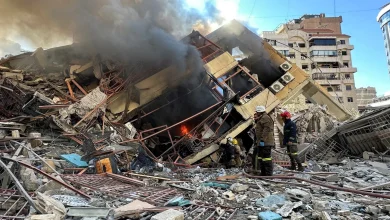
Verified facts: The attack struck a girls’ elementary school in Minab, Iran, and rescue operations found extensive rubble and civilian casualties. The senators’ letter cited budgetary and personnel cuts at the Department of Defense and at U. S. Central Command, which is leading operations in the campaign referenced by lawmakers.
Analysis: The combination described by the senators creates an institutional risk pathway: when analytic teams and post-strike review capacities are diminished, the ability to distinguish civilian structures from legitimate military targets may be degraded. The senators’ emphasis suggests they view recent reductions in dedicated civilian-protection resources as a plausible contributor to analytical shortfalls that allowed a populated school to be struck.
What are the political and public implications if U. S. responsibility is confirmed?
Verified facts: The bombing and the high number of child casualties have become a focal point of the war. The senators warned that, if the U. S. is determined to be responsible, the revelation would risk eroding public support for the U. S. effort and would rank among the highest civilian-casualty events attributed to American military operations in the last two decades. President Donald Trump initially blamed Iran for the attack, later expressed uncertainty about fault, and said he would accept the results of the Pentagon’s investigation.
Analysis: The stakes described by the senators are both operational and political. For military planners, confirmable attribution of responsibility would trigger procedural and legal obligations: investigations, accountability measures, and review of targeting processes. For national leaders, the domestic political fallout could complicate the stated objectives of the campaign and intensify oversight demands from Congress, as exemplified by the letter sent by more than 45 senators.
Accountability and next steps — verified fact and call for transparency: The senators have explicitly asked Defense Secretary Pete Hegseth what analysis was done on the building and how reductions in civilian-protection capacity were weighed. Verified fact: the Civilian Protection Center of Excellence was established by law in 2022 to reduce civilian casualties in strikes. The letter requests direct answers about whether those statutory safeguards functioned in this case.
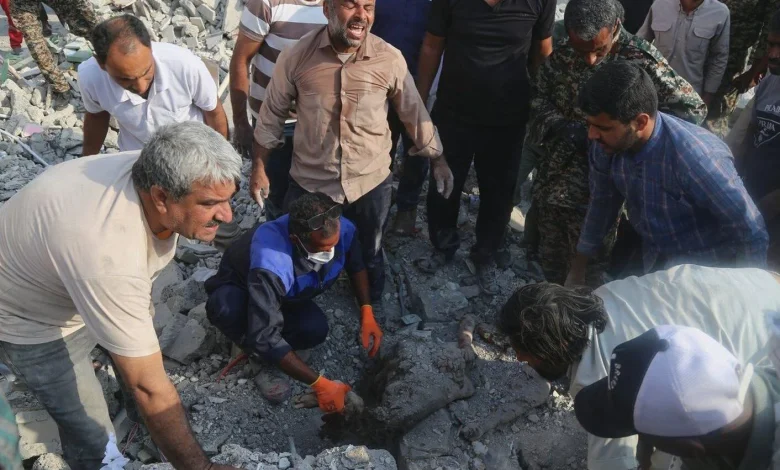
Verified fact: rescue workers and residents searched through rubble at the site in Minab after the strike; the human toll included many children. Informed analysis: holding clear, public oversight conversations and releasing investigatory findings tied to named institutional records will be necessary steps for Congress and the Department of Defense to restore public confidence. The senators have placed that demand squarely on the table.
The public record assembled by lawmakers now rests on questions that only a transparent Pentagon investigation can resolve; until that work is completed and shared with the appropriate congressional oversight committees, the central questions pressed by senators remain open.