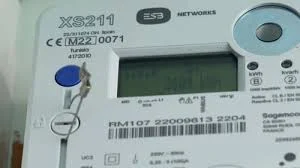
A software update to smart meters triggered a malfunction that told householders they had consumed thousands of euro of electricity, with some customers shown bills of more than €5, 000 and one download registering close to €9, 000 for a single week.
What went wrong with Smart Meters?
Verified facts: ESB Networks said a planned upgrade to one of its internal systems last Friday led to a software fault. The network operator said the issue has been identified and resolved, has commenced correcting all affected data, and apologised “for the confusion and concern this has caused”. ESB Networks stated customers “do not need to do anything” and that accounts “will automatically adjust to reflect actual usage”. The operator also said it is “working closely with suppliers and other stakeholders. “
Informed analysis: The admission that a planned upgrade caused the error places the technical root in an internal systems change rather than in customer equipment. That distinction matters for liability, remediation speed and public trust: users see meter graphics and online accounts as definitive; a systems-level fault interrupts that trust chain and produces visible, alarming figures on household dashboards.
Who was affected and how large were the errors?
Verified facts: The malfunction produced graphics and account figures that told consumers they were using massive amounts of electricity. Some customers were shown bills exceeding €5, 000 for a single day. One smart meter download showed a householder had consumed close to €9, 000 worth of electricity in the first week of March. An Energia customer was recorded at 13, 000 kWh for a single day while the same customer’s tracking app showed actual consumption of 9 kWh; had the erroneous figure been applied, it would have produced a bill of approximately €5, 000 for that day. Other customers reported estimated usage closer to €10, 000 over the weekend. Bord Gáis Energy switched off billing for affected meters and said it would not resume issuing bills until it received updated data from ESB Networks.
Informed analysis: The scale of the false readings — from single-day spikes into the tens of thousands of euro to a near-€9, 000 week — underscores how digital presentation of consumption can magnify customer alarm. Suppliers responding by suspending billing for affected meters demonstrates a rapid risk-management step to prevent incorrect charges from reaching customers before data correction is complete.
Can households trust corrected data and what should happen next?
Verified facts: ESB Networks says it has resolved the issue, begun correcting affected data and that customers do not need to act. Suppliers have taken operational steps to minimise impact, including temporary suspension of billing where enacted.
Informed analysis: The immediate remediation steps address imminent financial harm, but several accountability questions remain: how will customers be notified once corrections are complete, how will any reputational or financial harm be redressed, and what independent verification will confirm that corrected readings fully replace erroneous figures across supplier and network systems? The incident illustrates a larger governance challenge when network software changes cascade into customer-facing platforms.
Verified facts summary: a planned ESB Networks internal upgrade led to a software fault that produced inflated readings on household accounts; ESB Networks has apologised, identified and resolved the fault, and started correcting data; Bord Gáis Energy temporarily suspended billing for affected meters; individual customer examples include one near-€9, 000 weekly reading and one instance of 13, 000 kWh recorded versus 9 kWh actual.
Accountability call: Suppliers and the network operator must publish a clear timeline for correction completion, a plain-language summary of how the fault occurred, and a process for customers to seek verification of corrected balances. Independent verification of corrected datasets and transparent communication to affected householders are essential to restore confidence in smart meters and the systems that report their data.
The affected systems and operators have moved to contain the immediate harm; the next measure of success will be the completeness and clarity of the corrections applied to smart meters records and the confidence that customers regain in their billing and consumption data.