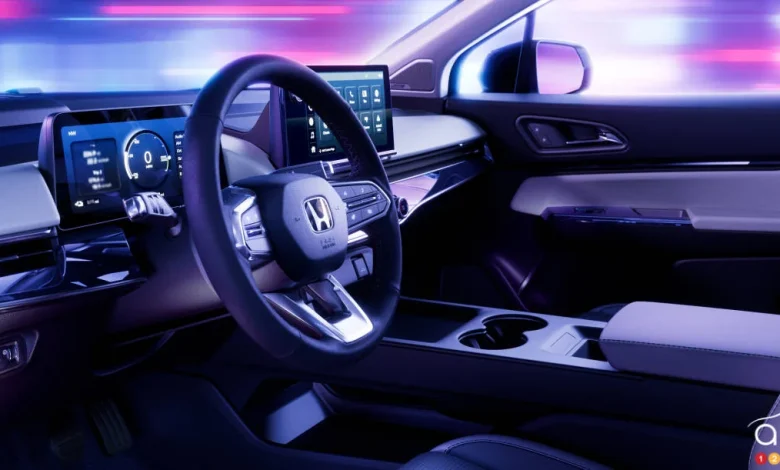
The recall affecting the 2024 Prologue and acura ZDX — prompted by software that can cause instrument clusters and infotainment screens to go blank while driving — turns a technical glitch into a safety and supply-chain inflection point.
Why this moment matters
Transport Canada explains that on certain vehicles a software problem can cause both the instrument cluster and the infotainment system display to go blank while driving, potentially obscuring the speedometer, warning indicators and tell-tales. The recall materials state the rearview camera image may also fail to appear when the transmission is shifted into reverse, increasing the risk of an accident. Owners of affected vehicles will be contacted by the manufacturer and asked to bring vehicles to dealerships for a software update.
What is the current state of play?
The recall documentation identifies a concrete set of affected units: Transport Canada lists 1, 444 vehicles affected by the issue. A separate recall account cites a broader total of 65, 135 examples of the models being recalled. The two electric crossovers share key components with vehicles built by a major partner; the display and digital instrumentation are supplied as part of that shared platform. The recall report attributes the failure mode to defects in a radio control module supplied by the module vendor, which can fail to properly transmit data to the instrument cluster and/or infotainment display and trigger a system restart or crash.
What Happens Next? Forces, scenarios, and who wins or loses
Three linked forces are shaping the near-term outlook: deeper software stacks across shared EV platforms, supplier module complexity, and the regulatory safety mandate tied to backup camera displays. The recall highlights how software defects in a single supplier module can cascade into a safety recall on multiple badge-engineered models.
- Best case: Rapid software patching and dealer updates restore displays without field incidents. The fix is deployed through dealership visits and the majority of owners receive updates promptly, limiting reputational and regulatory fallout.
- Most likely: A multi-month remediation cycle unfolds. Investigations and staged software releases reduce occurrences but some owners experience repeat interruptions, requiring follow-ups at dealers and prolonging customer dissatisfaction.
- Most challenging: Persistent or hard-to-reproduce defects require deeper changes to the radio control module, extending repair timelines and prompting broader regulatory scrutiny and additional recalls across platform-mated models.
Who stands to gain: vehicle owners who receive timely updates and suppliers that deliver a clear, verifiable patch. Who loses: owners encountering repeated outages, dealers facing higher service demand, and the module supplier if defects prove systemic. Regulators and safety advocates will press for demonstrable remediation given the direct impact on mandated backup-camera visibility.
Forward-looking guidance: Manufacturers and suppliers must treat digital instrument and infotainment stacks as safety-critical systems, prioritize traceable update pathways, and communicate timelines clearly to owners. For owners of affected vehicles, bring the vehicle in for the prescribed software update when notified and document service visits. For policymakers and fleet managers, expect scrutiny on shared-platform software governance and supplier QA practices. The recall is a reminder that when software controls core displays, the ripple effects touch safety oversight, dealer operations and consumer confidence in acura