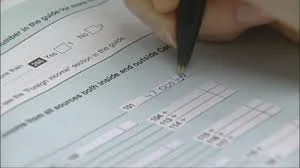
On a sunlit kitchen table a stack of tax forms sits beside a blinking phone as a daughter reads an urgent text that seems to come from the Canada Revenue Agency. The message promises a large refund if her mother clicks a link and confirms bank details — a moment that captures how cra impersonation schemes can arrive in a quiet household and turn routine filing into a crisis.
How are scammers using AI to target taxpayers?
Security professionals warn that generative artificial intelligence has lowered the bar for fraud. “With AI, they can craft emails that are so believable compared to years past, ” said Miles Walker, Kaseya cybersecurity expert. Walker added, “It’s become so much easier to generate those life-like voice calls and what they are doing is that they will send you to a call centre where you are going to be giving out information that you shouldn’t be giving out. ” The Canada Revenue Agency has stated that generative AI is creating more sophisticated malicious content that previously required significant knowledge and resources to design.
What does the Cra reminder say taxpayers should watch for?
Police and federal agencies are flagging the same red flags: phishing emails, spoofed caller ID numbers, urgent texts and voicemails promising large refunds or requesting verification of personal or banking information. The Canada Revenue Agency is reminding taxpayers that the agency will never send refunds or payments by e-transfer or text message, request personal or financial information by email or voicemail, or pressure people with threats of deportation, arrest, or aggressive language. The Canadian Anti-Fraud Centre continues to receive high volumes of reports and notes that fraudsters increasingly use official-looking CRA branding and fake websites to trick victims. The Ontario Provincial Police are urging vigilance and prompt reporting of suspected scams to help identify patterns and prevent further victimization.
What practical steps can families and individuals take now?
Cybersecurity advice in this tax season is straightforward and practical. “Never click on any links and only go to the agency’s (CRA) official website, ” Walker said. He also recommends setting up multi-factor authentication to add another layer of protection for devices and accounts, and encourages families to talk openly about fraud. “Have conversations with your parents. If you have kids that are at the tax-paying age, have a conversation about cybersecurity. They probably haven’t learned anything of this in school. When we are talking about older family members, they are the most vulnerable and that’s one of the prey that cybercriminals are looking to attack, ” Walker added. Law enforcement and anti-fraud bodies stress reporting attempts even when no money is lost, so investigators can map trends and disrupt criminal campaigns.
The household from the opening scene closes its laptop without clicking the message. A phone call to an official line confirms the text was fake, and the family decides to enable multi-factor authentication and sit down for a short lesson on recognizing red flags. The relief is small but concrete — a reminder that awareness, a cautious click, and a conversation can blunt the reach of increasingly polished AI-enabled scams.